Calm in Minutes: Anxiety Relief Bundle 4-in-1 Reset
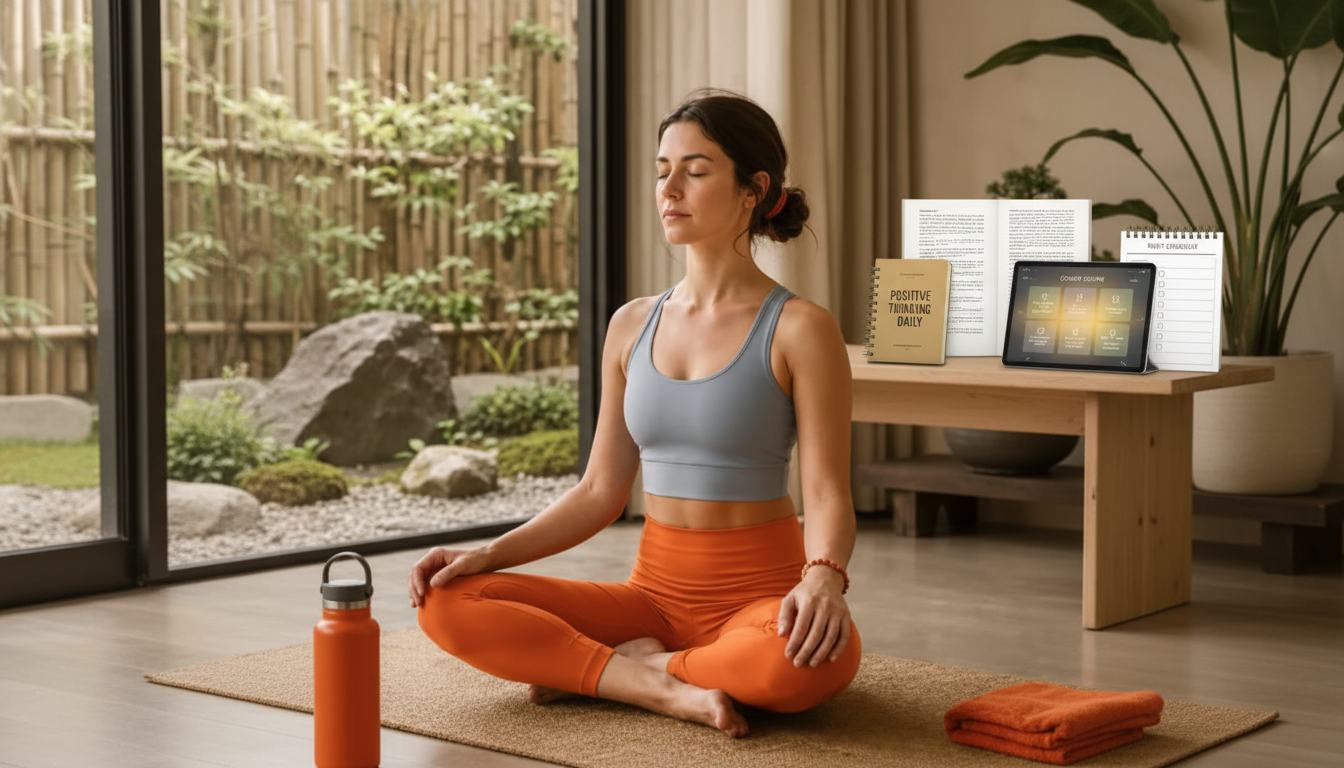
The Anxiety Relief Bundle: A Path to Calm — A Practical 4-in-1 Reset for Busy Minds
Anxiety can feel like a loop: racing thoughts, a tense body, and a constant urge to “fix” everything at once. A calmer baseline often comes from small, repeatable actions that support both mind and body—especially when time is limited. The Anxiety Relief Bundle: A Path to Calm (4-in-1 Bundle) brings together guided mindfulness exercises, positive-thinking prompts, a printable checklist, and a course outline designed to help build steadier routines without requiring hours of free time.
For a helpful overview of how anxiety can show up and why it can feel so persistent, see the National Institute of Mental Health guide to anxiety disorders. For how stress affects the body, the American Psychological Association summary is a clear starting point.
When anxiety shows up: common patterns that keep the cycle going
- Thought spirals: worst-case forecasting, mental replay, and “what if” loops that feel urgent and convincing.
- Body alarm signals: shallow breathing, tight chest, stomach discomfort, restlessness, and trouble sleeping.
- Avoidance and over-control: dodging triggers, compulsive checking, and trying to plan every outcome.
- Why “quick fixes” fade: temporary relief without a repeatable practice tends to wear off under stress.
The goal isn’t to eliminate anxiety on command. It’s to reduce intensity and shorten the “spin-up time” by practicing skills that are doable on regular days—so they’re available on hard ones.
What’s inside the 4-in-1 bundle and how each part supports calm
- Mindfulness exercises: short practices for grounding attention, settling the nervous system, and reducing reactivity.
- Positive thinking tools: prompts that help challenge unhelpful thoughts and build more balanced self-talk.
- Printable checklist: a simple way to track habits and create a visible “done list” on hard days.
- Course outline: a structured path that reduces decision fatigue and helps maintain consistency.
Bundle components at a glance
| Component | Purpose | Best used when | Time needed |
|---|---|---|---|
| Mindfulness exercises | Ground attention and calm the body’s stress response | Racing thoughts, overwhelm, restlessness | 3–10 minutes |
| Positive thinking prompts | Reframe distortions and strengthen supportive self-talk | Self-criticism, worry loops, low confidence | 5–15 minutes |
| Printable checklist | Create simple structure and track what helps | Low energy days, inconsistent routines | 1–5 minutes |
| Course outline | Follow a step-by-step progression without overthinking | When starting fresh or rebuilding habits | Varies by module |
A gentle 7-day starter routine (low-pressure, repeatable)
- Day 1: Choose one mindfulness exercise and practice at the same time of day (anchor to an existing habit like coffee or brushing teeth).
- Day 2: Add a brief body scan; note one physical signal of stress without trying to change it immediately.
- Day 3: Use one positive-thinking prompt to label a worry as a “thought,” then write a more balanced alternative.
- Day 4: Print the checklist and track only two actions that help most (keep it intentionally small).
- Day 5: Pair a mindfulness exercise with a short walk or stretch to release tension.
- Day 6: Review the course outline and pick the next step; schedule it like an appointment.
- Day 7: Reflect on what reduced intensity (even slightly) and decide what to repeat next week.
If a full day slips, treat it as neutral information. The routine works best when it’s easy to restart.
Mindfulness exercises: making them work when the mind won’t slow down
- Start with micro-practices: 60–180 seconds of breathing or grounding can be enough to interrupt escalation.
- Use sensory anchors: 5-4-3-2-1 noticing, feeling feet on the floor, or holding a warm mug.
- Expect wandering attention: returning to the anchor is the practice, not a mistake.
- Stack with daily cues: do a short exercise before opening email, after commuting, or before sleep.
For a deeper look at mindfulness and safety considerations, the National Center for Complementary and Integrative Health overview is a practical reference.
Positive thinking without denial: a balanced approach to reframing
Printable checklist: turning “I’m not doing enough” into visible progress
Course outline: staying consistent when motivation drops
Who this bundle fits best (and when to seek extra support)
Simple add-ons that pair well with a calm-building routine
- Reduce last-minute chaos before outings: Minimalist Travel Packing Planner can help cut decision fatigue when you’re prepping for a trip or a busy weekend.
- Support sleep and tension release: Cardio + Strength Done Right offers a simple checklist approach to consistent movement—often a helpful companion to mindfulness.
If you want the core system in one place, The Anxiety Relief Bundle: A Path to Calm (4-in-1 Bundle) is designed to make “what should I do right now?” easier to answer.
FAQ
How quickly can mindfulness exercises reduce anxiety?
Many people feel a small drop in intensity within a few minutes, especially with grounding or breathing. Longer-lasting change typically comes from consistent practice over days or weeks, so starting with 3–10 minutes is often a realistic target.
Is positive thinking the same as ignoring problems?
No—helpful reframing aims for realistic, balanced thoughts rather than denial. For example, instead of “This is going to be a disaster,” a grounded alternative could be “This is hard, but I can take one step and reassess after.”
What should be on an anxiety relief checklist?
Keep it short and repeatable: one body action (breathing or a stretch), one mind action (a prompt or short journal), and one environment action (tidy one small area). Add basics like hydration or a brief walk if they reliably help, but limit the list to avoid pressure.











Leave a comment